SUSTAINABILITY FRAMEWORK
Building for a better future
Circular materials, social value, and measured progress towards 2030 net zero goals across London
Circular materials, social value, and measured progress towards 2030 net zero goals across London
Sustainability means more than low carbon measures. It's environmental responsibility, social integrity, and long term economic viability in every project we build.
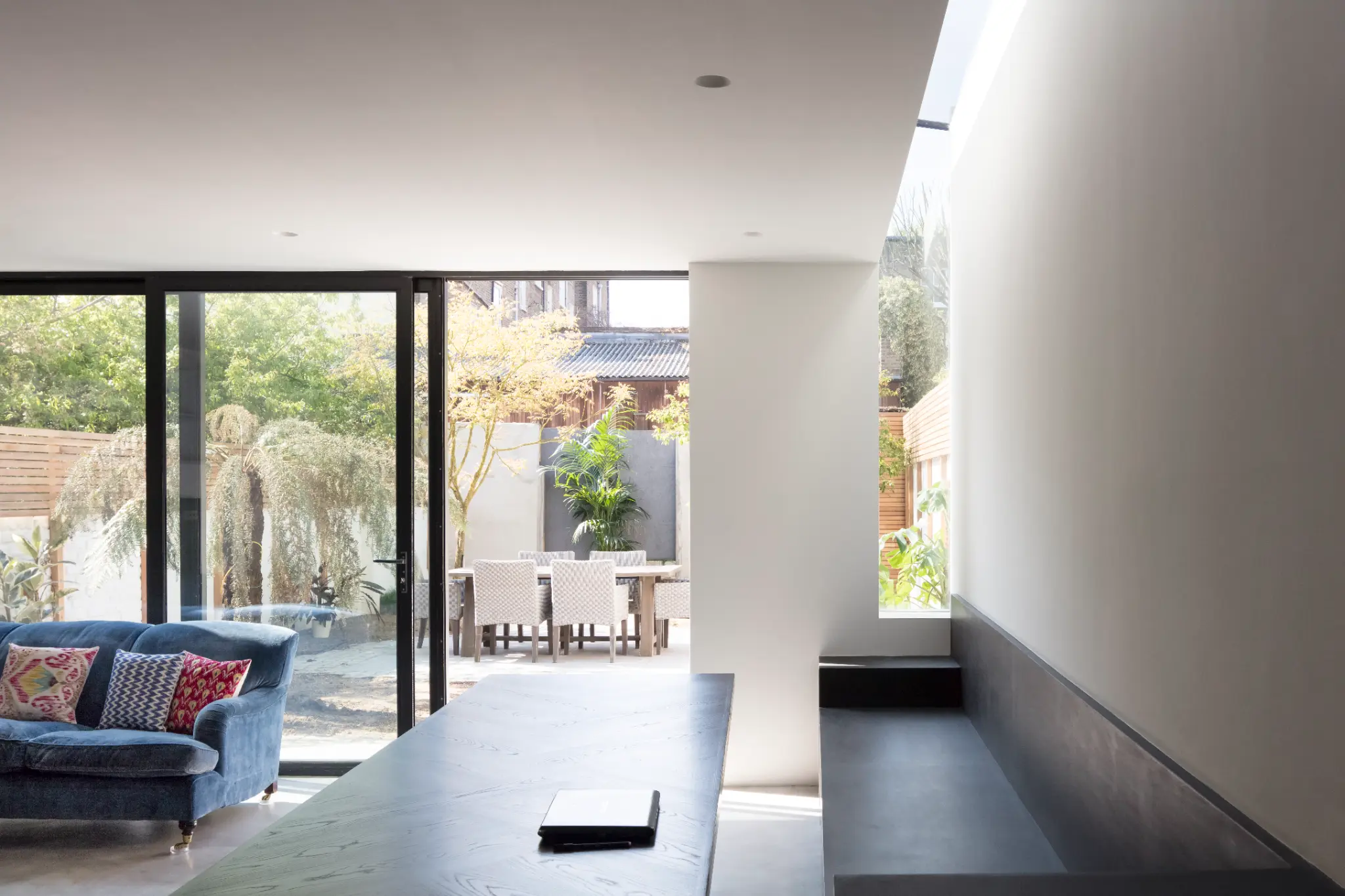
We see waste as a design failure. Wherever possible, we choose materials that are renewable, recyclable, or reclaimed – reducing extraction and embodied carbon.
This includes using FSC timber, recycled aggregates, and salvaged bricks, as well as specifying products with known end of life routes such as take back schemes or local reuse markets.
For deep retrofits, we keep existing structure intact where safe, upgrade insulation, and ensure service routes are designed for future adaptation without demolition.
We actively trial emerging materials – from Clayworks plasters to hempcrete panels – that can demonstrably cut embodied carbon without compromising quality or durability.
Where new technologies arrive on the market, we engage with manufacturers, request third party test data, and pilot them on appropriate projects before scaling up.
Our approach to innovation is evidence based: we won't specify untested products, but we do push for better environmental credentials across all standard materials.
Sustainability is meaningless without metrics. We track materials, waste, and energy across every project, providing clients with transparent summaries.
We require suppliers to evidence FSC or equivalent certifications, embodied carbon figures (where available), and transport distances for major materials. This data is summarised for client ESG reports.
All sites segregate waste streams. We report total waste produced, percentage recycled, and percentage sent to landfill. Where feasible, off cuts and surplus are donated or sold to local reuse hubs.
By 2030, we aim to have:
We review progress annually and update clients on our trajectory towards these commitments.
Every project offers a chance to embed sustainability – from material choice to site practice to long term building performance.
We work with certified suppliers, environmental consultants, and industry networks to keep pushing for better standards across the sector.
For projects requiring BREEAM, PassivHaus, or similar certifications, we collaborate with your design team and certifying bodies to ensure every detail meets the required standard.
Planning a low carbon extension, deep retrofit or a project that must report ESG? Let's discuss your sustainable building goals.
Get in touch